What Hollywood Can Teach Us About goldcoastgaragedoorrepair.com.au helensvale A1 Garage Doors Gold Coast
How to Repair High Lift Garage Doors in 2025: A Complete Guide
Maintaining and repairing high lift garage doors can be a challenging yet rewarding task for homeowners, DIY enthusiasts, and property managers alike. These specialised doors maximise overhead space by lifting higher than standard doors, but with this advantage comes unique components and repair requirements. This comprehensive guide will walk you through how to inspect, maintain, and repair your high lift garage door safely and efficiently, helping you restore smooth operation and extend the lifespan of your door system. 
What Are High Lift Garage Doors and How Do They Work?
High lift garage doors differ from traditional doors primarily due to their track configuration and lifting mechanism. Instead of immediately curving onto the ceiling, these doors travel vertically up the garage wall before transitioning into horizontal tracks spanning along the ceiling, thus increasing vertical clearance and utilising overhead space effectively.- The vertical tracks extend upward following the garage door height, providing extra garage door clearance for taller vehicles or storage.
- The horizontal tracks then guide the door parallel to the ceiling, allowing it to sit above head height when fully open.
- A robust counterbalance system consisting of torsion springs or extension springs provides the necessary force to lift the weighty door panels smoothly.
- Pulley systems and cable drums work in tandem to ensure balanced cable tension and effortless movement during door operation.
Understanding these components is essential when approaching any repair or maintenance task involving high lift garage doors.
What Are the Most Common Issues with High Lift Garage Doors?
High lift garage doors often experience common faults due to their mechanical complexity and frequent use. Recognising these issues early helps prevent costly damage and unsafe conditions.
- Garage springs failure: Springs may break or lose tension after prolonged use, affecting the counterbalance system.
- Door cables breakage: Wire ropes can fray or snap under constant stress, risking sudden door drops.
- Track misalignment: Bent or loose garage door tracks cause uneven door movement or binding.
- Roller brackets damage: Worn or broken roller guides and brackets can lead to noisy or jerky door action.
- Garage door sensors malfunction: Misaligned or dirty safety sensors may prevent the door from closing properly or cause false stops.
- Opener motor issues: Problems with the garage door opener settings or remote controls can disrupt automated operation.
How Do You Safely Inspect High Lift Garage Doors Before Repair?
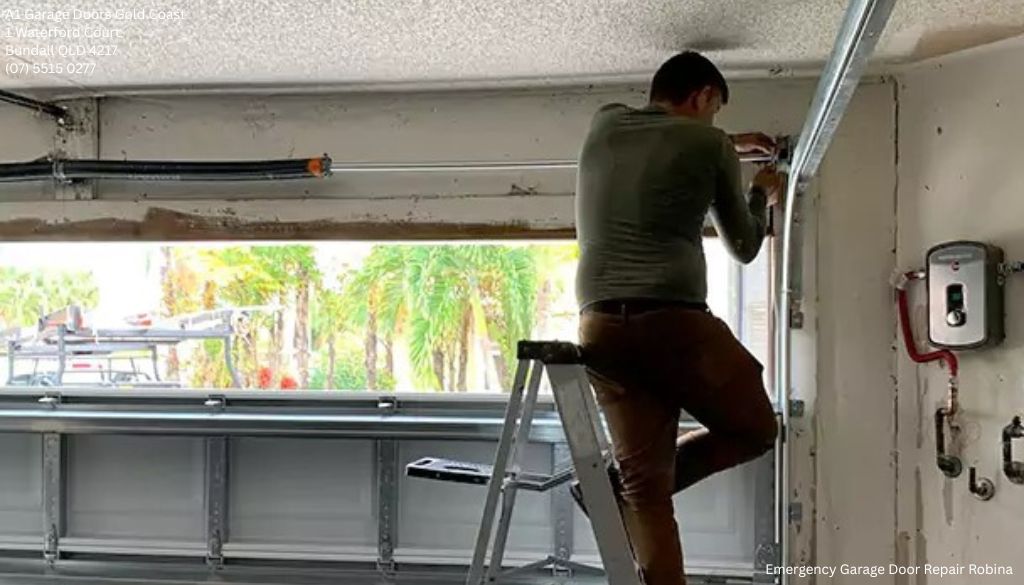
- Disconnect the garage door opener: Unplug power and engage the manual override or emergency release to operate the door manually.
- Perform a door balance test: Lift the door halfway; it should stay in place without drifting, indicating correct spring tension.
- Inspect springs, cables, rollers, and hinges: Check for visible signs of wear, rust, fraying, cracks, or damage on all moving components.
- Assess cable tension carefully: Using appropriate tools, verify that wire ropes have proper tautness without slack or excessive tightness.
- Verify safety sensors and wiring integrity: Ensure sensors are correctly aligned and free from dust or obstruction to guarantee safe automatic operation.
How to Repair or Replace Garage Springs on High Lift Garage Doors?
The garage springs—either torsion or extension type—play a crucial role in balancing the door’s weight. Proper repair or replacement requires careful attention and specialised tools.- Identify the spring type: Torsion springs mounted above the door provide torque via winding cones; extension springs run along the horizontal tracks.
- Use winding bars cautiously: When adjusting torsion springs, insert winding bars into the winding cone and turn slowly to adjust spring tension safely.
- Replace broken springs with exact matches: Use springs of the same length, wire size, and strength rated appropriately for your garage door weight and dimensions.
- Secure spring anchor brackets firmly: Loose brackets can cause springs to slip or fail prematurely.
- Calibrate spring tension: After installation, perform the door balance test and fine-tune tension to ensure smooth lifting without strain on the motor or cables.
How to Fix or Replace Garage Door Cables and Cable Drums?
Door cables and cable drums are integral to maintaining door balance and smooth operation. Repairing them involves releasing spring tension and careful alignment.- Release spring tension: Fully open the door or engage manual override to decompress springs before beginning cable work.
- Detach old cables: Remove cables from the cable anchor points and drum assembly, noting their routing path.
- Inspect cable drums: Examine drums for wear or deformities; replace damaged drums to prevent improper cable winding.
- Install new cables evenly: Attach new wire ropes ensuring equal tension on both sides; uneven cables can cause door imbalance.
- Adjust cable tension: Test for slippage and tweak tension to allow smooth raising and lowering without binding or snapping.
How to Realign and Lubricate Garage Door Tracks and Rollers?
Aligned tracks and well-maintained rollers ensure quiet, smooth door movement critical for high lift systems.- Loosen track fasteners: Slightly unscrew bolts or screws securing tracks to the garage door frame, allowing for adjustment.
- Tap tracks back into alignment: Using a rubber mallet, gently correct bent sections so rollers glide effortlessly along the track path.
- Replace damaged rollers: Remove worn or broken rollers and fit new ones identical in size; ensure they rotate freely within the roller brackets.
- Lubricate tracks and rollers: Apply a silicone-based garage door lubricant on tracks, rollers, hinges, and springs to reduce friction and prevent corrosion.
- Tighten mounting hardware: Secure all roller brackets, hinges, and track fasteners firmly to avoid movement that could cause misalignment.
How to Adjust Garage Door Opener and Safety Sensors on High Lift Doors?
Electronic components like the garage door opener and safety sensors are critical for convenience and security.- Test and align safety sensors: Sensors must face each other across the doorway at the correct height and angle to detect obstructions accurately.
- Calibrate opener force and travel limits: Adjust settings on the garage door motor or controller so the door fully opens and closes without undue force.
- Reset remote controls and wall controllers: Reprogram devices as needed to ensure reliable communication with the opener unit.
- Run diagnostics mode: Utilize built-in diagnostics on modern garage door openers to identify faults or sensor errors quickly.
Proper calibration improves door responsiveness and enhances safety compliance.
When Should You Call a Professional for High Lift Garage Door Repairs?
Certain repairs demand specialist knowledge and equipment for safety and effectiveness.
- Spring replacement: If you are unfamiliar with using winding cones or handling torsion spring tension, hire a qualified garage door repair specialist.
- Complex opener or motor faults: Electronic diagnostics and motor repairs often require expert tools and know-how.
- Structural frame or panel damage: For significant garage door panel repair or frame realignment, professionals ensure lasting fixes.
- Failed door balance tests despite DIY efforts: Persistent imbalance or unusual noises indicate underlying issues best addressed by trained technicians.
How to Maintain High Lift Garage Doors to Prevent Future Repairs?
Regular maintenance extends your door’s life and avoids inconvenient breakdowns.- Lubricate moving parts: Apply silicone-based lubricant to springs, rollers, hinges, and tracks every six months.
- Quarterly inspections: Check garage springs, cables, rollers, and hinges for signs of wear or corrosion.
- Annual hardware tightening: Clean and tighten all track fasteners, roller brackets, and mounting bolts.
- Weather seal replacement: Refresh seals to protect against moisture, dust, and pests entering the garage space.
- Protective paint touch-ups: Repaint exposed metal sections to prevent rust and maintain door aesthetics.
Additional Insights for High Lift Garage Door Care
How to Perform a Garage Door Balance Test Safely
Disconnect the opener and manually lift the door halfway. It should remain stationary. If it drifts up or down, spring tension needs adjustment.Differences Between Torsion and Extension Springs
Torsion springs are mounted above the door and wound tightly, while extension springs stretch along horizontal tracks. Each type requires different repair techniques and safety precautions.Impact of Door Weight and Dimensions on Repair and Maintenance
Heavier doors need correctly rated springs and occasional recalibration to prevent strain on cables and motors.Garage Door Emergency Procedures During Malfunction
Use the emergency release handle to disengage the opener in case of power failure or mechanical jams. Never force the door manually when springs or cables are compromised.Energy Efficiency Tips: Adding Garage Door Insulation
Insulating panels reduce heat transfer, improve energy efficiency, and protect door components from weather extremes.Frequently Asked Questions (FAQ)
Q1: Can I repair high lift garage door springs myself?A1: While minor maintenance is possible, repairing or replacing high lift garage door springs involves high tension and is potentially dangerous. It is strongly recommended to hire a professional for spring-related repairs.
Q2: How often should I lubricate my high lift garage door tracks and rollers?
A2: Lubrication every 6 months is ideal to maintain smooth operation and prevent premature wear on rollers, tracks, and hinges. Q3: Why does my high lift garage door make loud noises when opening or closing?A3: Loud noises typically indicate worn rollers, dry or misaligned tracks, or deteriorating springs. Inspect these components and apply lubrication or replace parts as needed.
Q4: What causes garage door cables to snap, and how do I fix this?
A4: Cables snap due to corrosion, wear, or incorrect tension. To fix, first release spring tension, then replace cables and adjust tension evenly to avoid future breakage. Q5: How do safety sensors work on high lift garage doors?A5: Safety sensors emit an infrared beam across the door opening; if interrupted by an obstacle, they signal the opener to stop or reverse the door to prevent accidents. Proper alignment and cleanliness are important for effective operation.
Conclusion
Repairing high lift garage doors requires understanding their unique components and prioritising safety throughout inspection and maintenance. While some minor tasks like lubrication and sensor alignment are manageable for DIY enthusiasts, complex repairs—especially involving springs and cables—are best handled by qualified professionals. By following regular maintenance schedules and addressing issues promptly, you can enjoy reliable, safe, and efficient operation of your high lift garage door for years to come. If you encounter uncertainty or complex faults, don’t hesitate to seek expert assistance to protect your home, investment, and peace of mind.